The FeedbackKit blog
Blog
Practical guides on collecting user feedback, prioritising feature requests, and wiring all of it into the tools your team already uses.
Show posts in one category
-
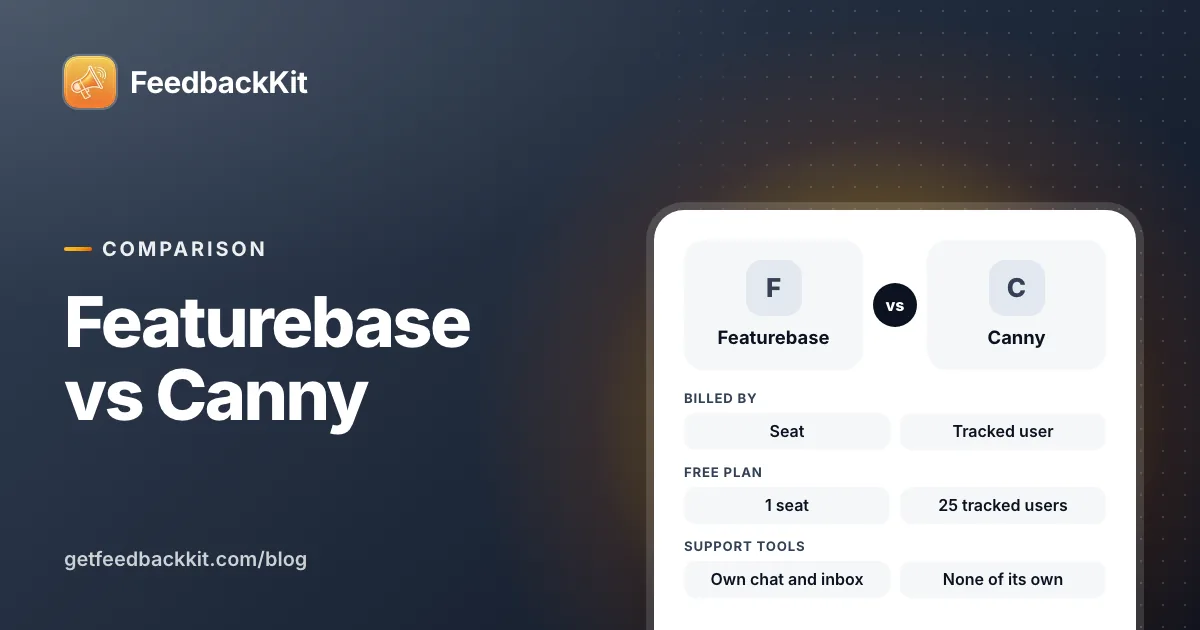
Featurebase vs Canny: Two Feedback Platforms Compared
Featurebase bundles a helpdesk with feedback and prices per seat. Canny focuses on feedback and prices per tracked user. Here is how they compare, and where FeedbackKit fits for app teams.
-
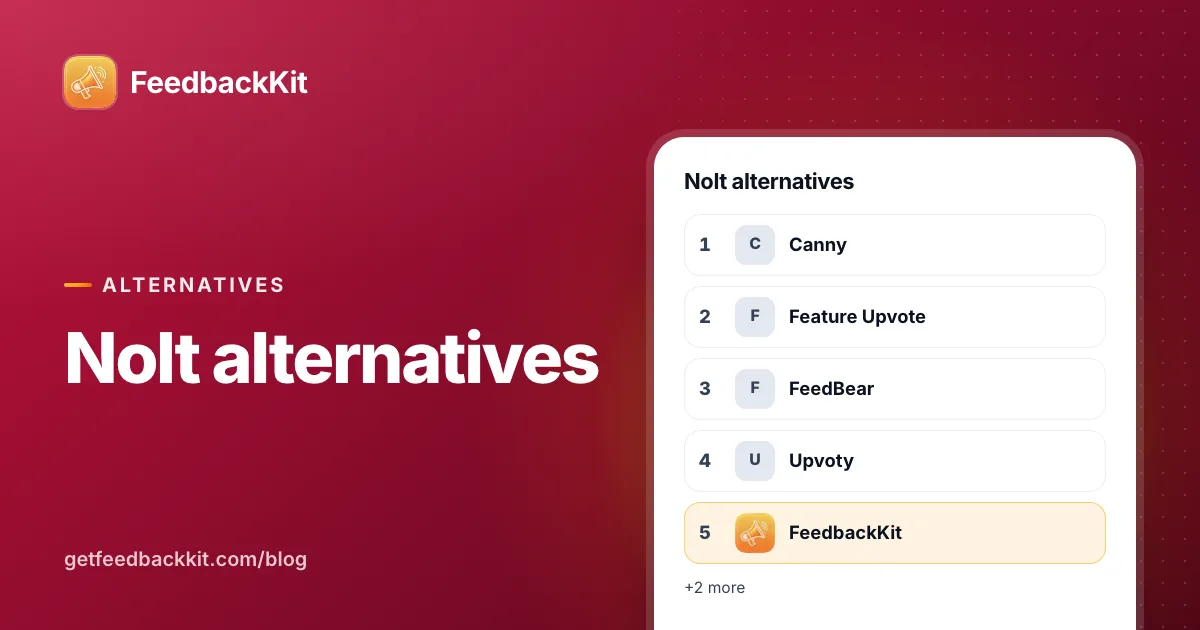
Nolt Alternatives: Feedback Boards and In-App Voting
Nolt is a simple board with unlimited admins at a flat price. Here is why some teams look elsewhere, and six alternatives with who each one suits.
-
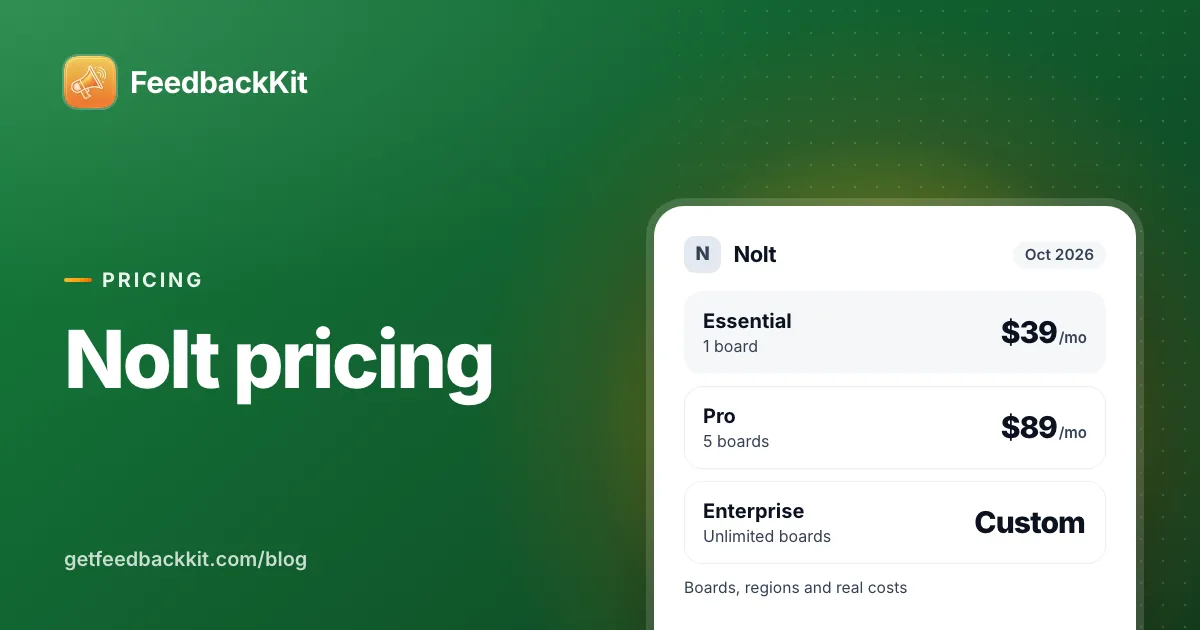
Nolt Pricing Explained: Boards, Regions and Real Costs
Nolt charges a flat rate per plan with unlimited users and admins, and its EU-hosted region has its own euro prices. Here is what each plan costs and what a small app team would pay.
-
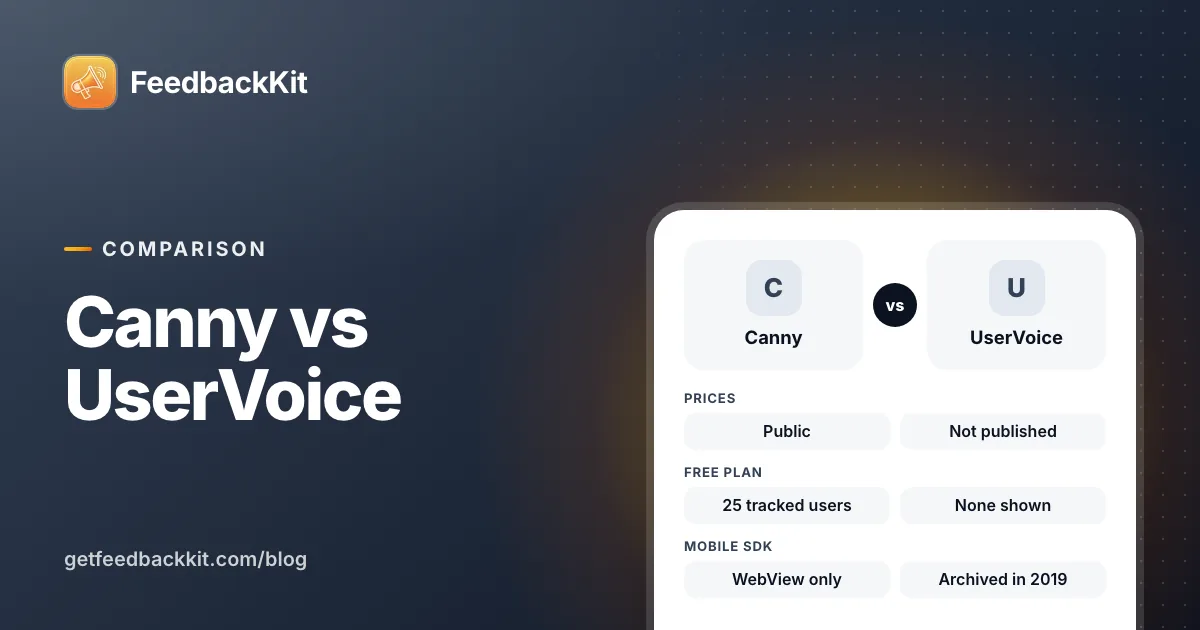
Canny vs UserVoice: Which Feedback Platform Fits Your Team?
Canny publishes its prices and starts free. UserVoice sells to large B2B companies through a demo. Here is how the two compare, and where FeedbackKit fits for app teams.
-
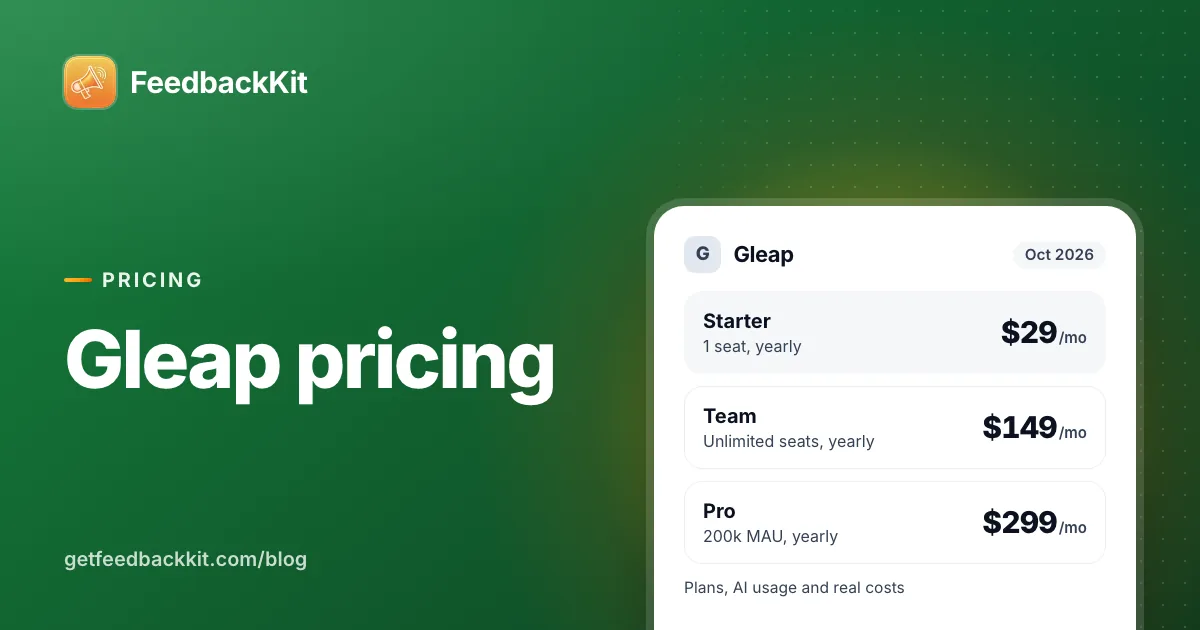
Gleap Pricing Explained: Plans, AI Usage and Real Costs
Gleap prices a full in-app support suite, and feature voting starts on its Team plan. Here is what each plan costs, what drives the bill up, and what a small app team would pay.
-
Featurebase Review by a Competitor: Strengths, Limits and Fit
An honest look at Featurebase from its own product pages, help center and pricing, written by the team behind FeedbackKit. What it does well, where it is limited, and who it suits.
-
UserVoice Alternatives for Enterprise and App Teams
UserVoice is an enterprise feedback platform sold through a demo, with no public prices. Here is what drives teams to compare, what an enterprise buyer should check, and seven alternatives.
-
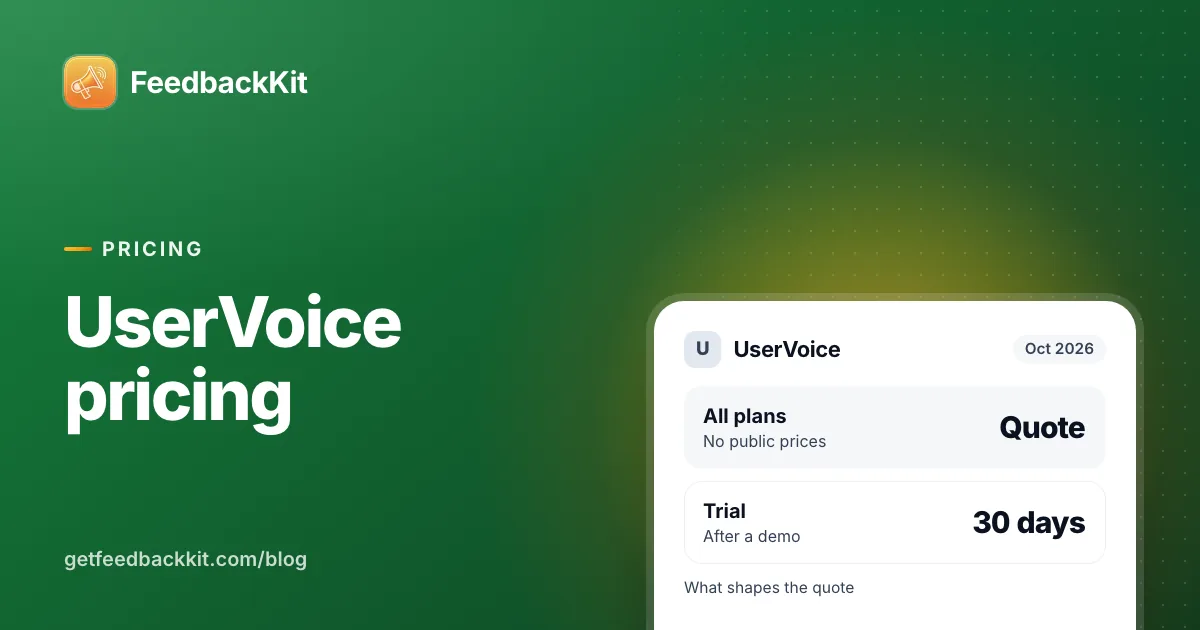
UserVoice Pricing: What Shapes the Quote
UserVoice does not publish prices: you get a quote after talking to its team. Here is what its pricing page says drives that quote, what its help center puts on the higher tiers, and how to prepare.
-
Canny Review by a Competitor: Strengths, Limits and Fit
An honest look at Canny from its own product pages, docs and pricing, written by the team behind FeedbackKit. What it does well, where it is limited, and who it suits.
-
How to Add In-App Feature Voting to an iOS App: Your Options
Build it yourself, drop in a native SDK, load a web board in a web view, use a form and a spreadsheet, or lean on TestFlight. Here is what each route costs you, with a trade-offs table.
-
Featurebase Alternatives: Seven Tools for Feedback and Support
Featurebase now sells a helpdesk and a feedback suite in one per-seat subscription. Here is why some teams compare, what to check, and seven alternatives.
-
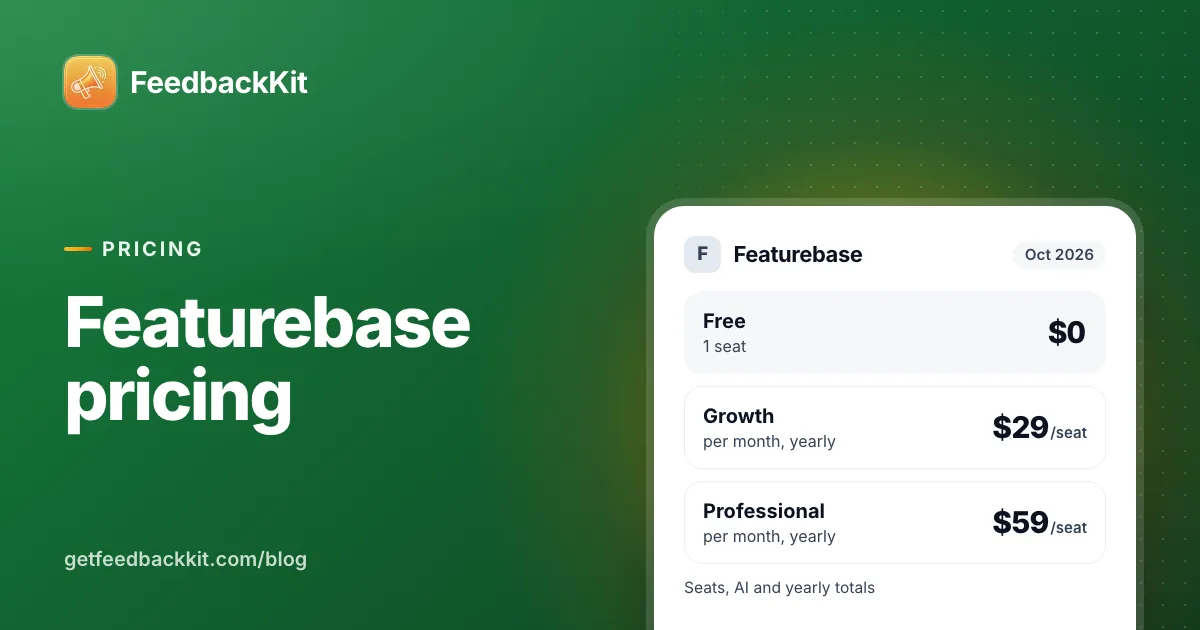
Featurebase Pricing: Seats, AI and Yearly Totals
Featurebase sells helpdesk and feedback in one subscription, priced per seat and billed monthly or yearly, with AI resolutions charged on top. Here is what each plan includes and the totals for two app teams.
-
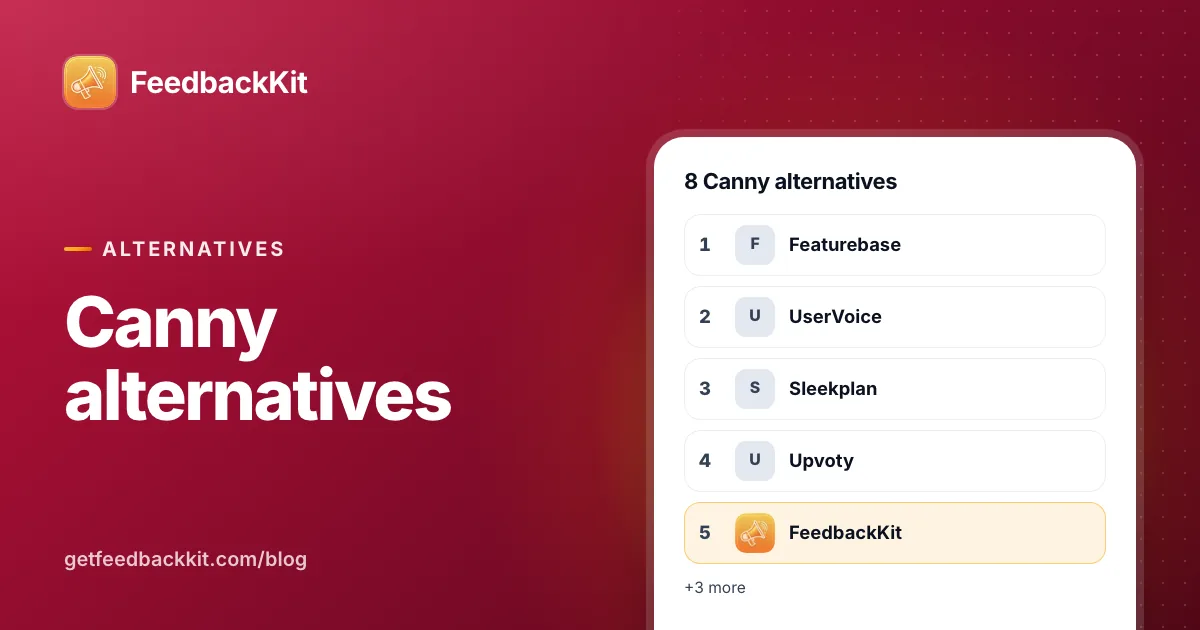
Canny Alternatives: Eight Feedback Tools Worth Comparing
Canny is one of the best-known feedback tools, priced by tracked users. Here is why some teams compare, what to check, and eight alternatives with their starting prices.
-
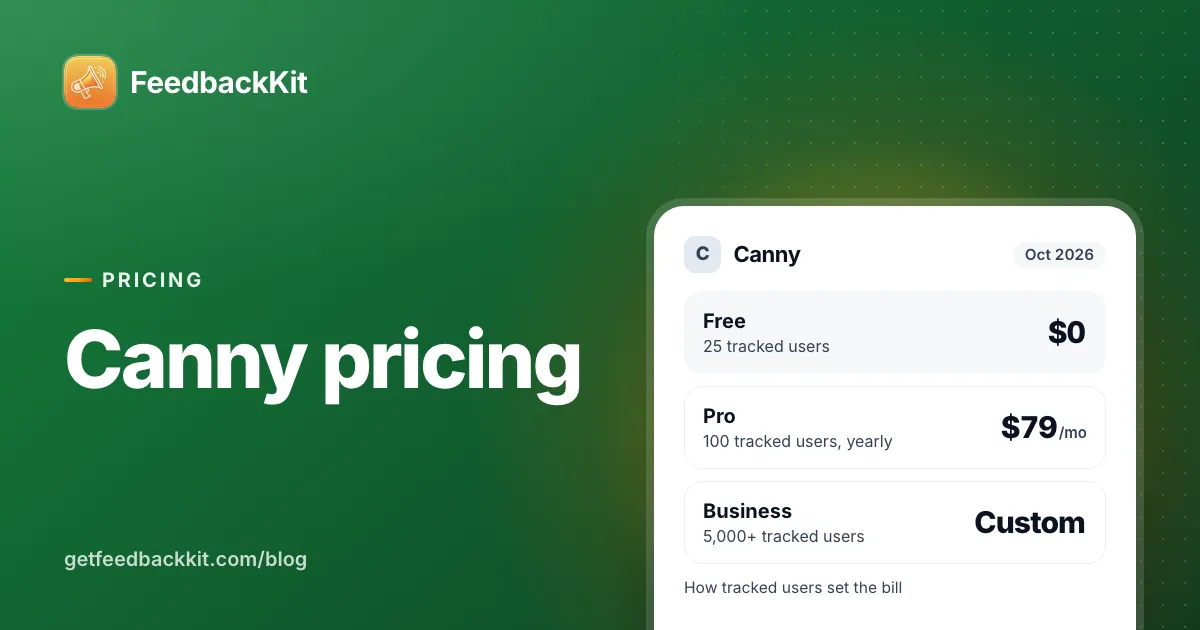
Canny Pricing: How Tracked Users Set the Bill
Canny's price is set mostly by tracked users: anyone who posts, votes or comments. Here are the plans, the price at each step of the Pro slider, and the yearly totals for an app at two sizes.
-
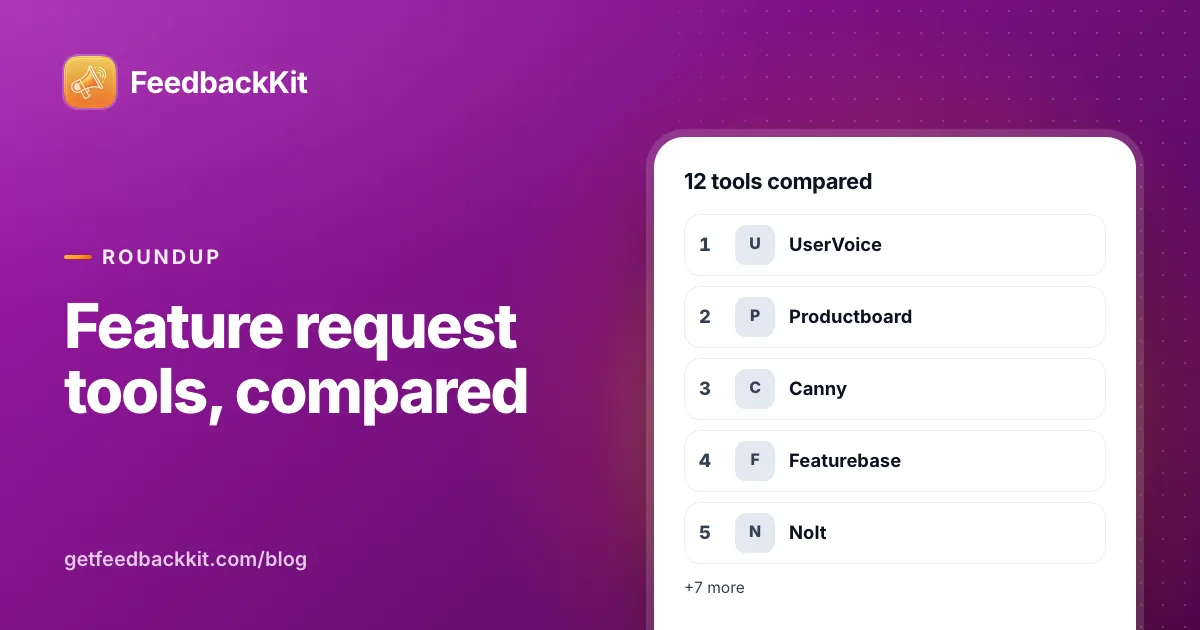
Feature Request Tools for Web and Mobile Teams, Compared
Twelve feature request tools, from enterprise platforms to small hosted boards and in-app SDKs. What each one is, how it reaches mobile users, and what it costs to start.
-
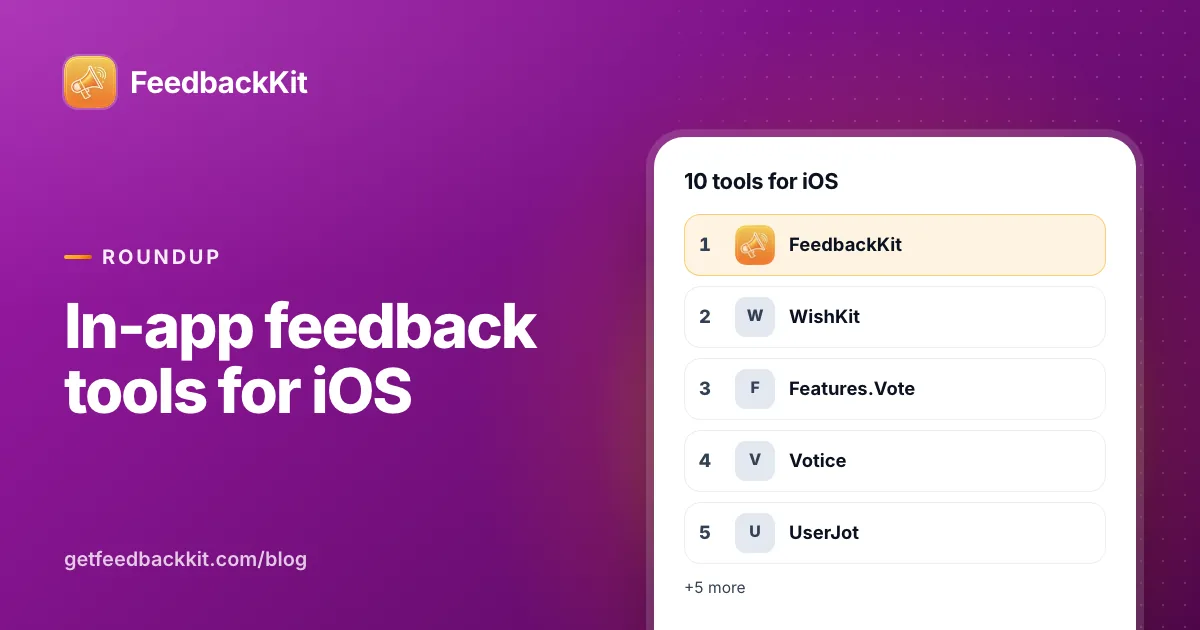
In-App Feedback Tools for iOS Apps, Compared
Ten in-app feedback tools for iOS, sorted by the job they do: feature voting, bug reporting, chat, or a web board in a webview. What each one is, how it renders on iPhone, and what it costs.
-
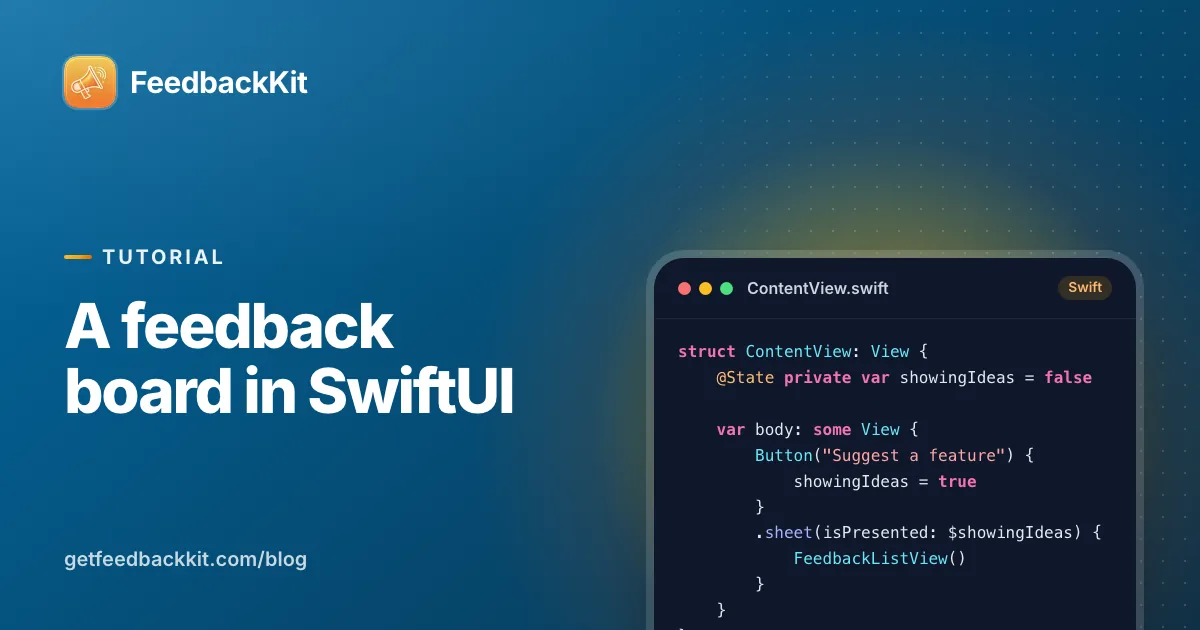
How to Add a Feedback Board to a SwiftUI App
A votable feedback board in an iPhone, iPad, Mac or Vision Pro app is a package, one configure call and a SwiftUI view. Here is the whole path, from the API key to status emails, testing and upgrading from an older release.
-
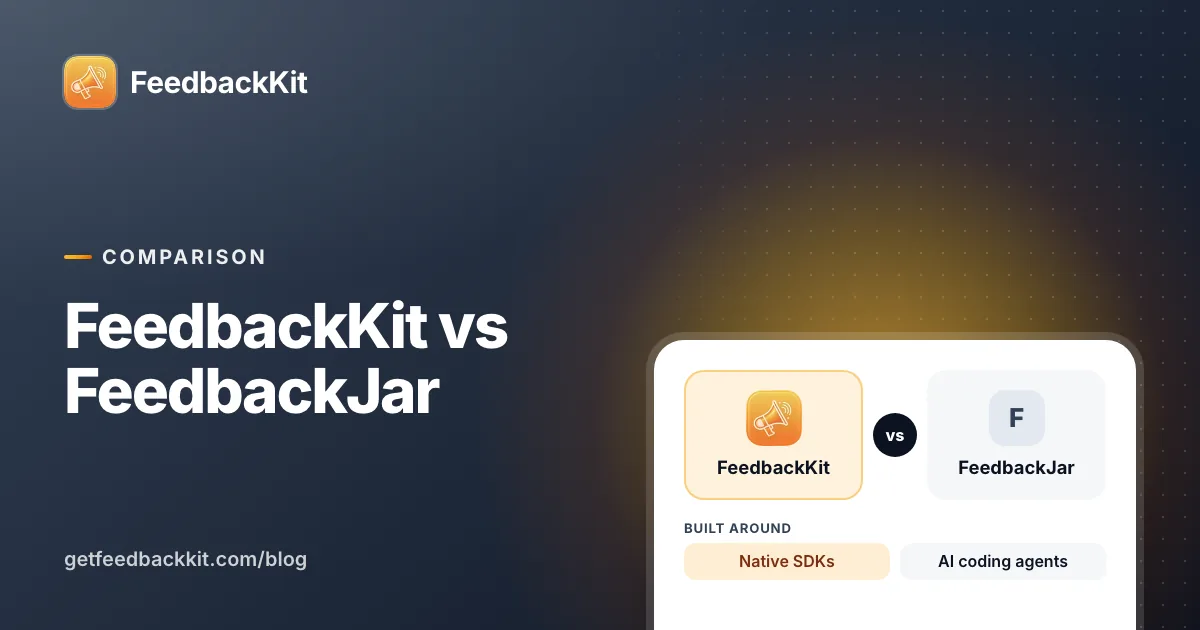
FeedbackKit vs FeedbackJar: Two SDK-Led Feedback Tools Compared
FeedbackJar is built around AI coding agents and an MCP server. FeedbackKit is built around native SDKs, native admin apps and the trackers you already use. Here is where each one fits.
-
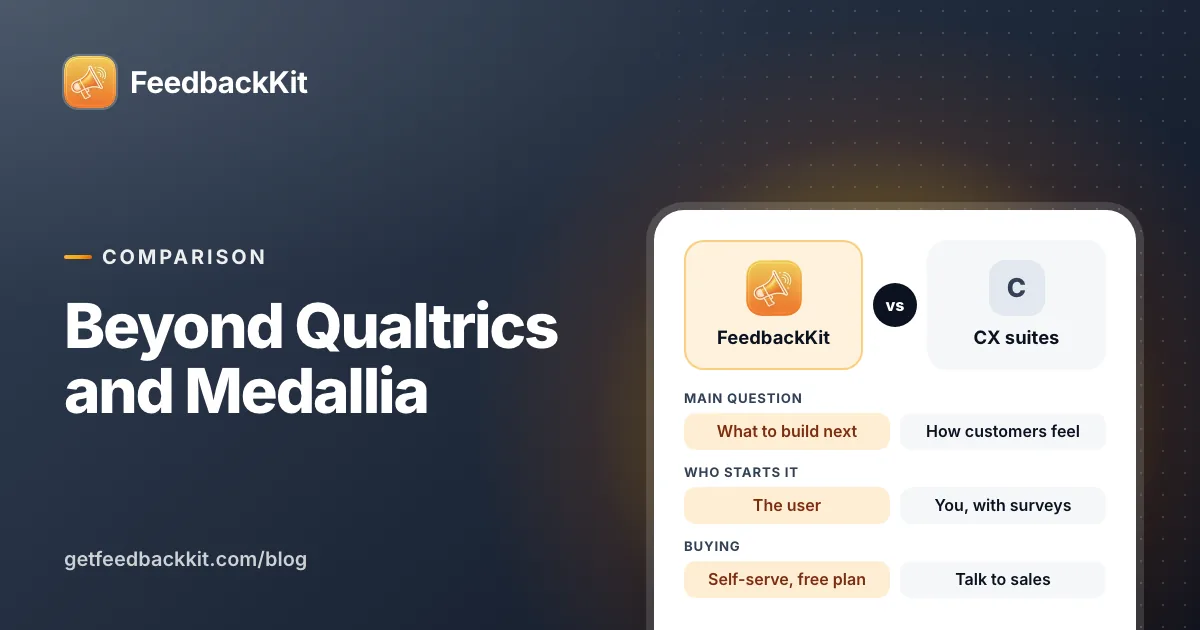
Beyond Qualtrics and Medallia: Customer Experience Feedback for App Teams
Qualtrics and Medallia measure customer experience across a company. A feature-voting board answers what to build next. Here is when each fits, and when you want both.
-
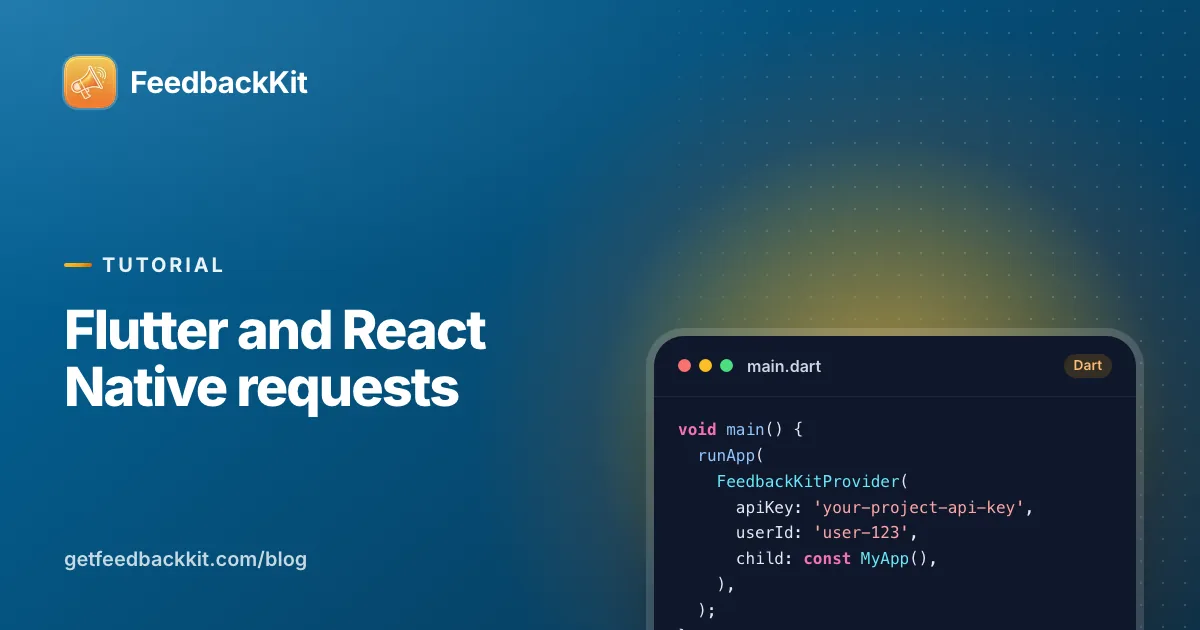
How to Collect Feature Requests in a Flutter or React Native App
Feature requests usually show up as App Store reviews, support emails and DMs, with no way to tell a repeated ask from a one-off. This guide wires a votable in-app board into a Flutter app and a React Native app: the list, submit, comments and statuses.
-
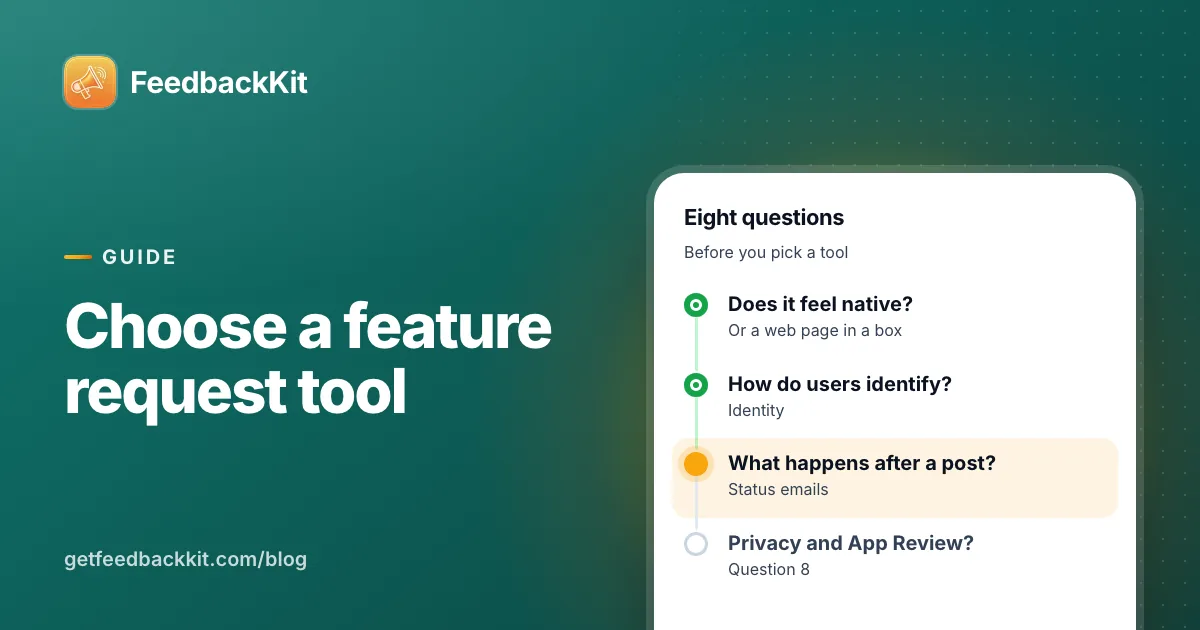
How to Choose an In-App Feature Request Tool for Your iOS App
Eight questions to ask before you pick an in-app feature request tool for an iOS app, from native screens and identity to status emails, integrations and App Review.
-
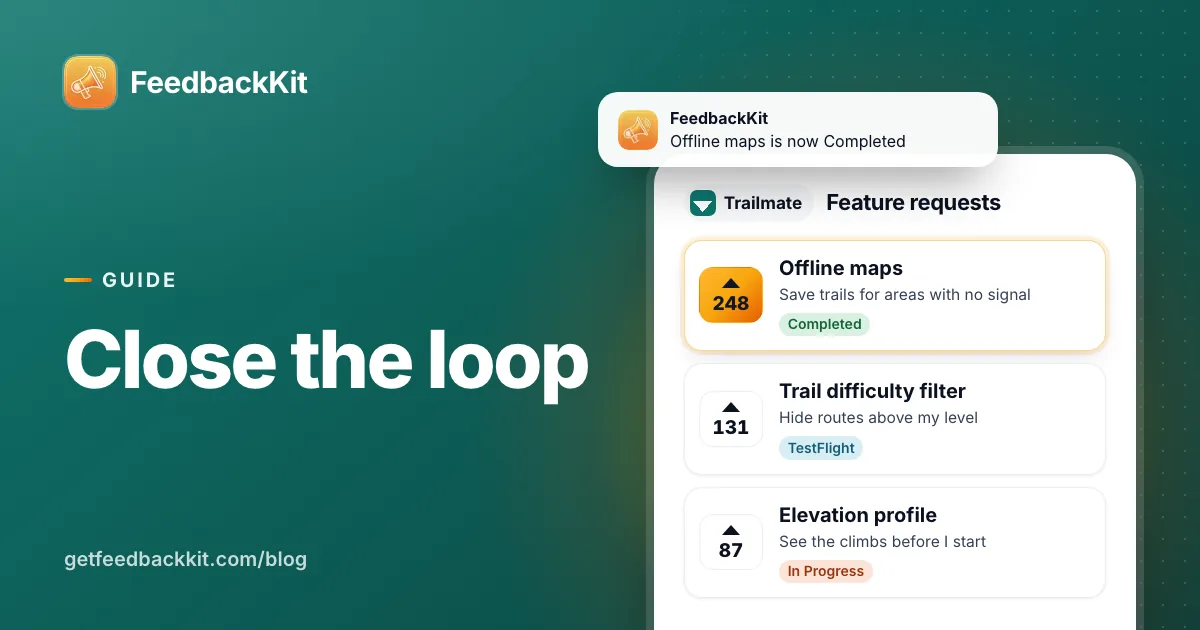
Closing the Loop: Why Telling Users Their Request Shipped Keeps Them Around
Telling users what happened to their request is part of collecting feedback. Status emails, an honest no, and a reply they can read on the request are how a small team closes the loop.
-
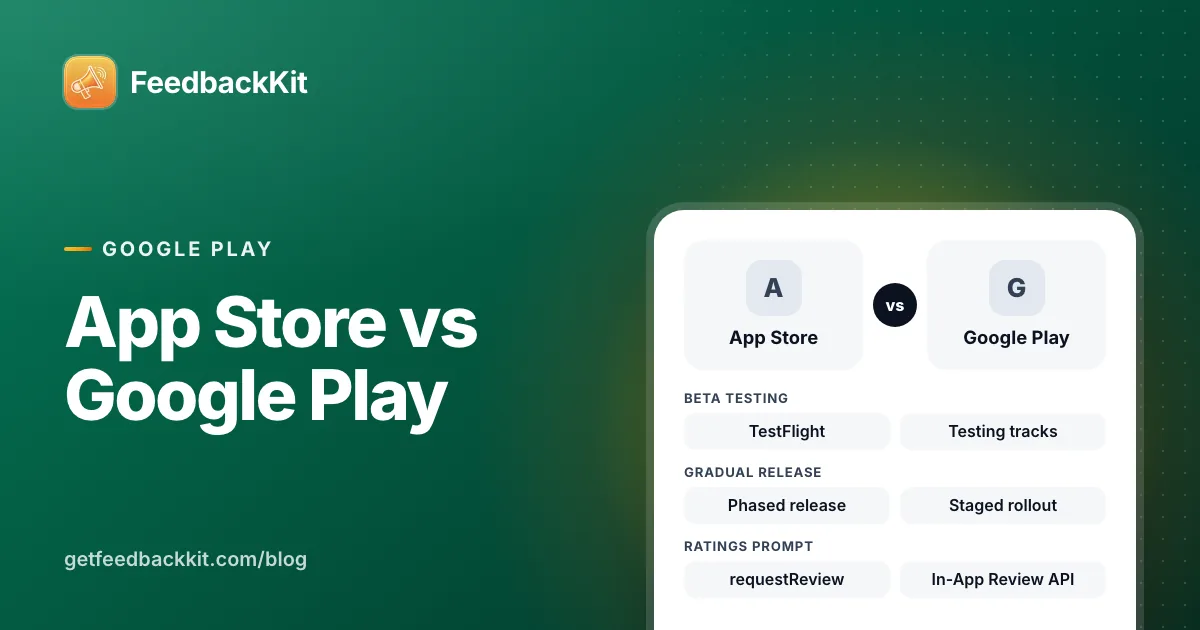
App Store vs Google Play: A Side-by-Side Guide for App Teams
Shipping on iOS and Android means two consoles, two reviews and two sets of rules. Here is how the App Store and Google Play compare as of 7 October 2026, with a link to our guide for each side.
-
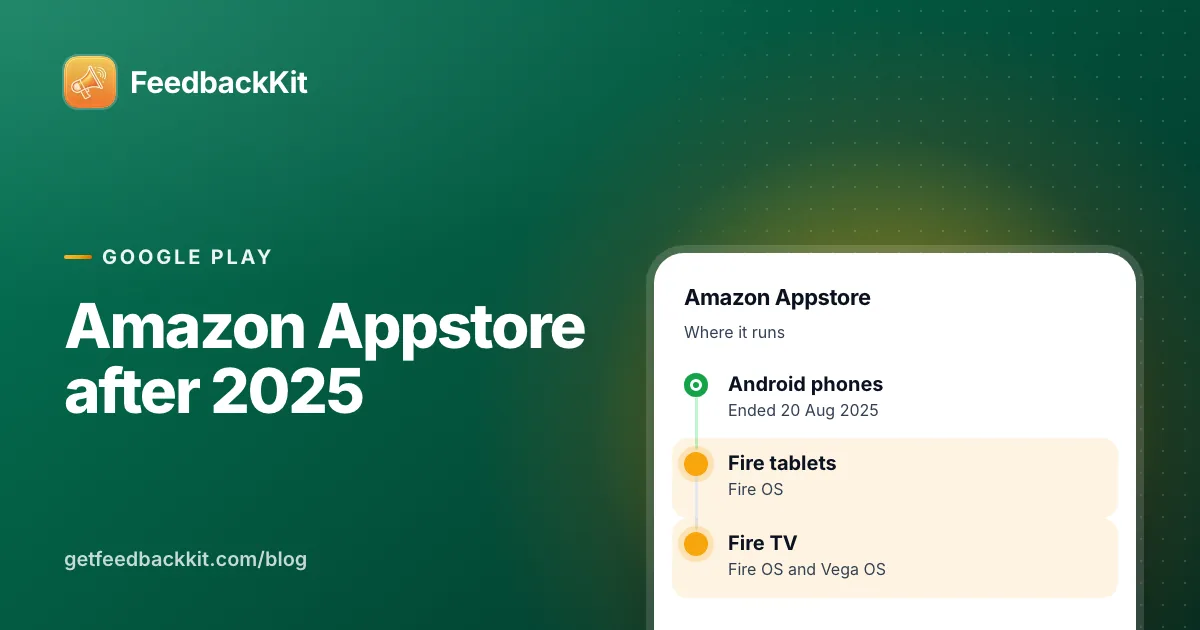
Amazon Appstore in 2026: Publishing for Fire Tablets and Fire TV
The Amazon Appstore left Android phones in August 2025, but it still runs on Fire tablets and Fire TV. Here is what ended, what remains as of 5 October 2026, and who should still publish there.
-
Beyond Google Play: Galaxy Store and Huawei AppGallery
Google Play is not the sole route to Android users. Here is how Samsung Galaxy Store and Huawei AppGallery work as of 4 October 2026, from seller accounts to beta tests, and when each is worth the effort.
-
Android Developer Verification: What App Teams Should Know
Apps installed on certified Android devices now need a verified developer and a registered package name, starting with four countries. What that means on and off Google Play, and which stores take part.
-
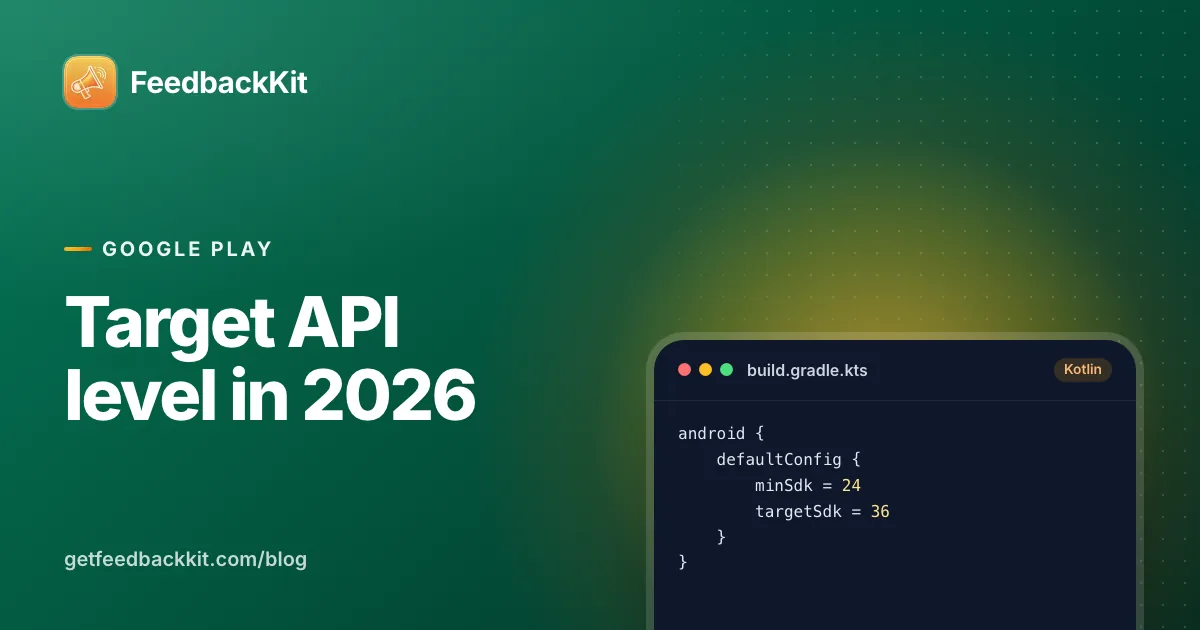
Android Target API Level: Meeting Google Play's API 36 Rule
From 31 August 2026, new apps and updates on Google Play must target Android 16. Here is what the rule says, what happens to apps that fall behind, and how to raise targetSdk in Kotlin, Flutter and React Native projects.
-
How to Reply to Google Play Reviews, With Templates
A reply to a Google Play review is public, reaches the reviewer by push and email, and can win back a rating. How replies work as of 1 October 2026, Google's rules, the API limits, and sample replies.
-
Google Play In-App Review API: Asking for Ratings on Android
ReviewManager, requestReviewFlow and launchReviewFlow, the quota that hides the dialog, when to ask, how to test it, and what Flutter and React Native apps use, as of 30 September 2026.
-
Google Play Release Notes: Writing What's New in 500 Characters
Google Play gives you 500 characters per language to say what changed. Here is how the field works in Play Console as of 28 September 2026, what you can change later, and how to spend those characters on the requests your users asked for.
-
Staged Rollouts on Google Play: Percentages, Halts and Countries
A staged rollout sends an Android update to a share of your users that you raise by hand. How it works as of 26 September 2026, how halting and country targeting behave, and how it differs from Apple's phased release.
-
Google Play Developer API: Set Up a Service Account
CI uploads, track changes and review replies on Google Play all go through the Play Developer API and a service account. How to set one up as of 24 September 2026, which permissions to grant, and how to look after the key.
-
How Long Does Google Play Review Take? Statuses and Planning
Google says reviews can take up to seven days, or longer in exceptional cases. Here is what that means as of 22 September 2026, how to read the statuses, and how managed publishing takes review off your launch day.
-
Google Play Developer Policy: A Practical Guide for Small Teams
A plain-English tour of Google Play's Developer Program Policies as of 20 September 2026: the areas that trip small teams, what the user-generated content rule means for an in-app feedback board, and what happens when Google enforces.
-
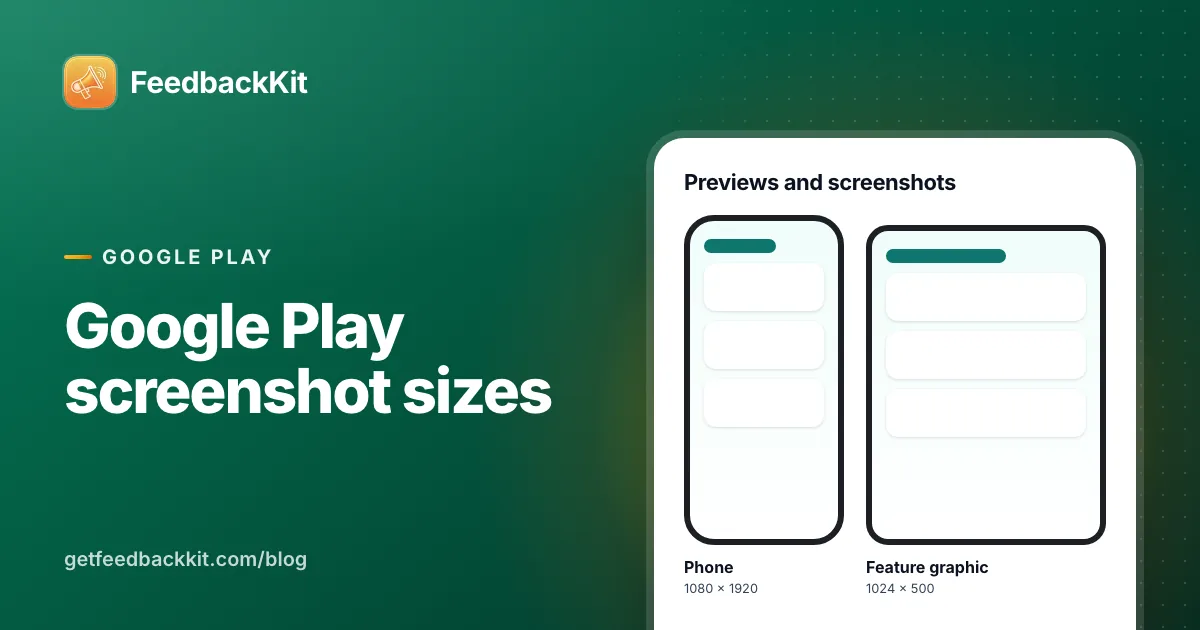
Google Play Screenshot Sizes, Feature Graphic and Video
Google Play's screenshot rules are looser than Apple's on pixels and stricter on proportions. Here are the requirements for every device type as of 18 September 2026, the rules that make a listing eligible for recommendations, the feature graphic and the preview video.
-
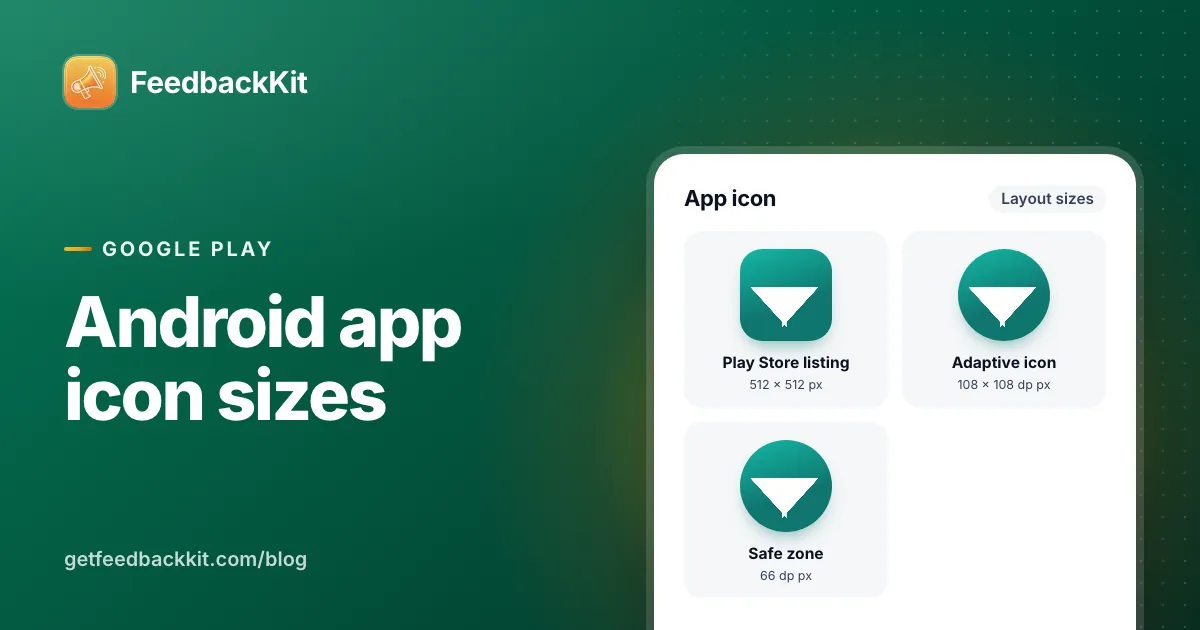
Android App Icon Sizes: Play Store, Adaptive and Themed
An Android app needs two kinds of icon: the 512 x 512 image on its Play Store listing and the adaptive launcher icon in the app itself. Here are Google's specifications for both as of 16 September 2026, plus themed icons, densities and the tools that generate them.
-
How to Publish an App on Google Play: Step by Step
Developer account, app setup, App content declarations, store listing, the app bundle and Play App Signing, the target API level, testing tracks and the production release, in the order you will meet them.
-
Google Play Service Fees in 2026: What Small Developers Pay
In 2026 Google Play split its fee into a service fee and a billing fee, rolling out region by region. Here is what changed, what still runs on the older model, and what a small subscription app pays.
-
Google Play Data Safety Form: A Practical Walkthrough
Every app on a public Google Play track needs a Data safety form, even one that collects nothing. Here is how the form works, what counts as collecting and sharing, and what to declare for an in-app feedback SDK.
-
Google Play Testing Feedback: Where Tester Reports Land
Private feedback from closed and open testers, the pre-launch report's crash and accessibility findings, Android vitals, and the gaps you have to fill yourself, as of 8 September 2026.
-
Google Play Testing Tracks: Internal, Closed and Open Testing
Internal, closed and open testing, how testers join, how a build moves from one track to the next, plus internal app sharing and the pre-launch report, as of 6 September 2026.
-
Google Play's 12 Testers for 14 Days Rule, Explained
New personal Play Console accounts need a closed test with 12 opted-in testers for 14 days before they can publish. Who it applies to, what counts, what Google asks, and where to find testers who will actually test.
-
Google Play Developer Account: Fee, Types and Verification
The one-time fee, how to choose between a personal and an organisation account, the identity, contact, device and website checks, and the D-U-N-S number organisations need.
-
How to Embed a Feedback Board and Roadmap on Your Website
A step-by-step guide to putting your FeedbackKit board, roadmap and feedback form on your own site with an iframe, and when to reach for the JavaScript SDK instead.
-
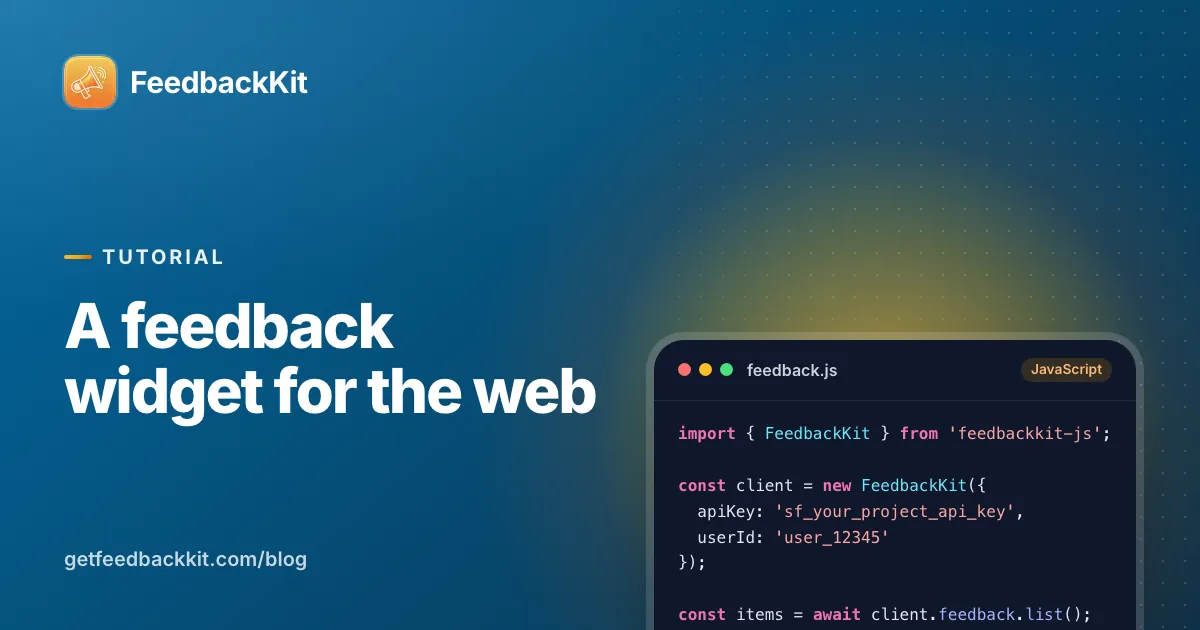
How to Add a Feedback Widget to a JavaScript Web App
A working build guide for the JavaScript SDK build on npm today, 1.0.1: install, render a vote-sorted list, wire up the submit form and comments, report MRR, read the counts the way 1.0.1 returns them, and understand what the API key in your bundle can and cannot do.
-
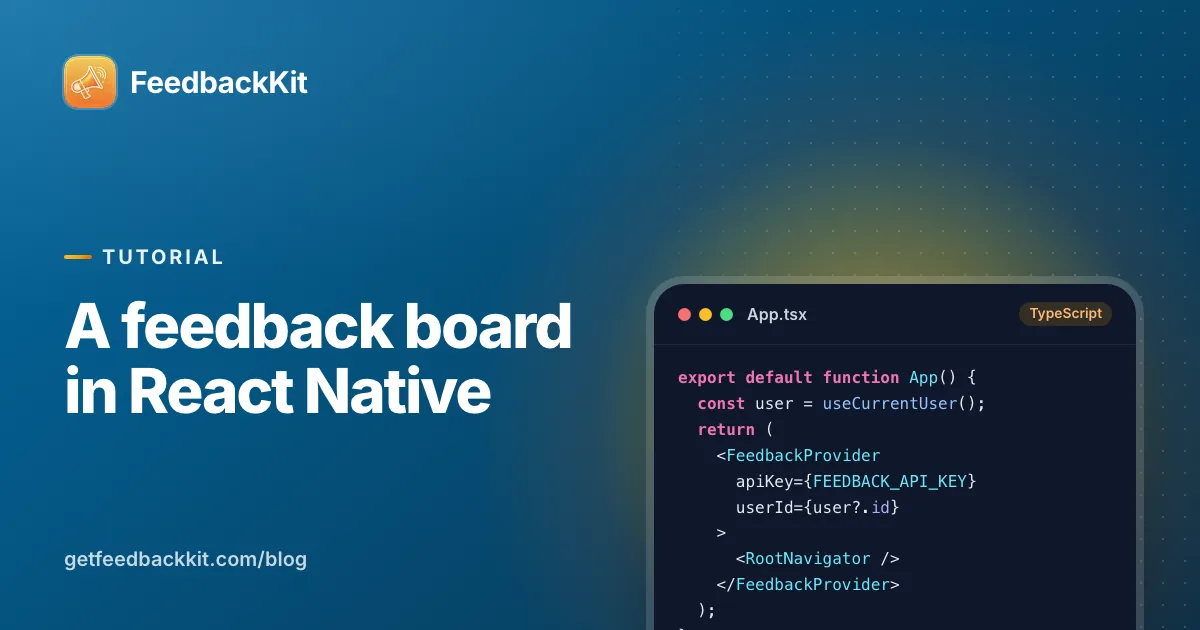
How to Add a Feedback Board to a React Native App
A working feedback board in a React Native app with the SDK build on npm today, 1.0.1: users read what everyone else has asked for, upvote it, comment, and file their own. This covers the install, the provider, the screens and their navigation, MRR, theming, the one 1.0.1 defect to work around, and where to mount it all.
-
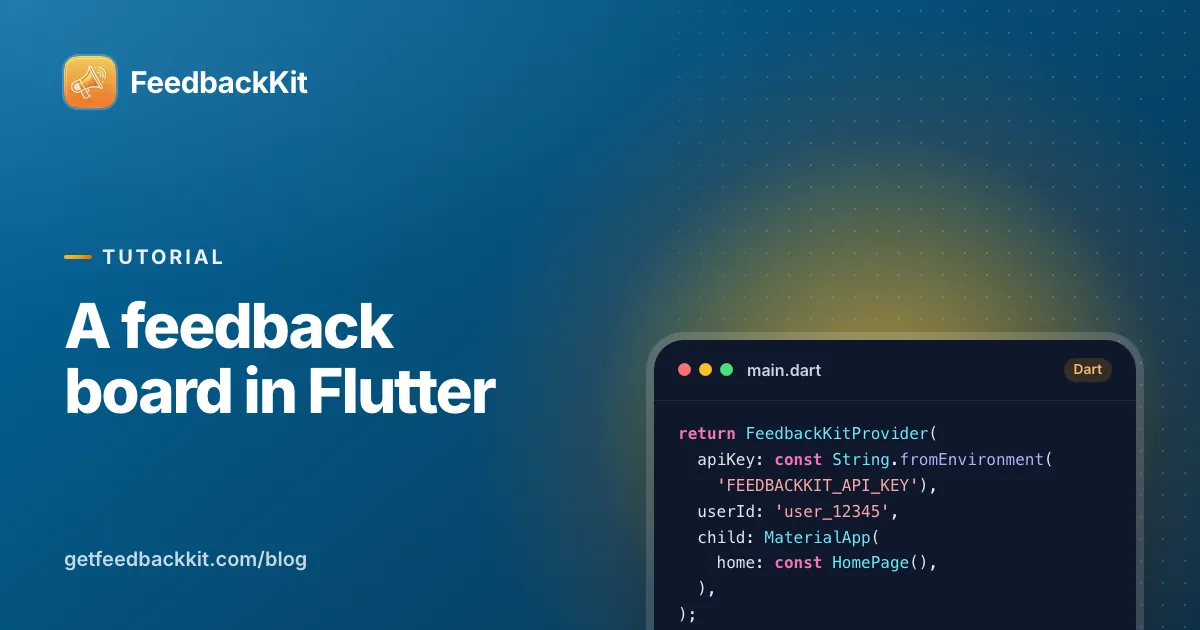
How to Add a Feedback Board to a Flutter App
A working walkthrough of adding a votable feedback board to a Flutter app with the package on pub.dev today, 1.0.1: the provider, the widgets, where the board belongs in your navigation, theming, widget tests, and the 1.0.1 gaps to plan around.
-
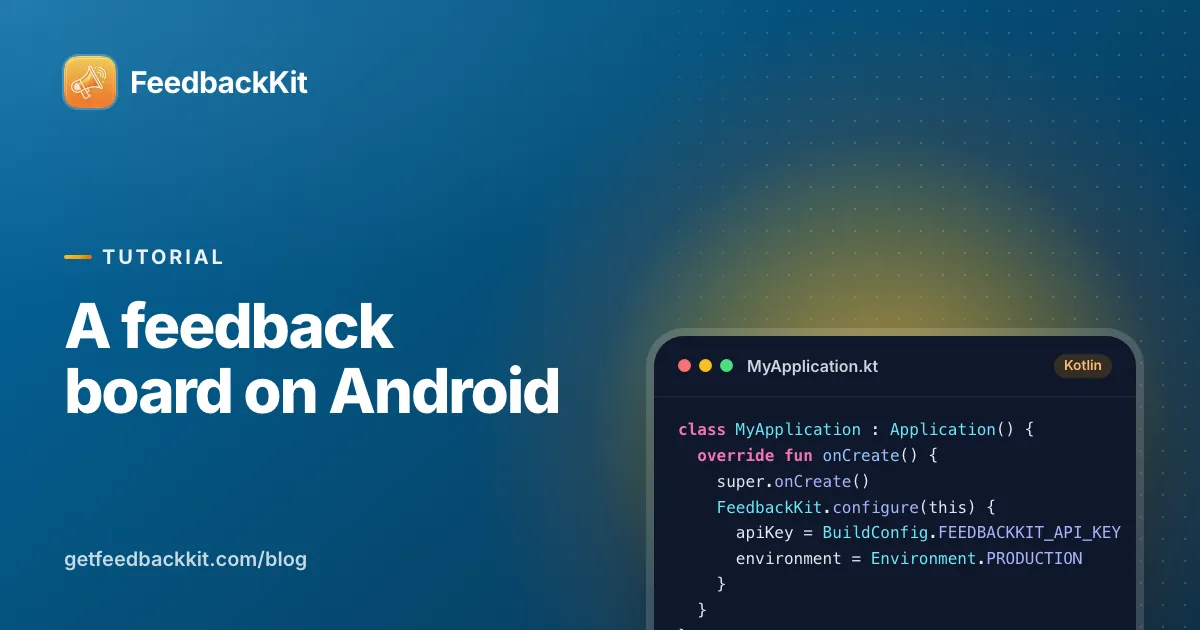
How to Add a Feedback Board to an Android App with Kotlin
A working feedback board inside an Android app is a Gradle line, one configure call and a few composables. Here is the whole path on the build Maven Central serves today, 1.0.1, including where the API key should live and the 1.0.1 gaps to plan around.
-
What Is a Feedback SDK? A Practical Guide for App Teams
A feedback SDK is a library that turns scattered feature requests into one ranked, visible list your users can see. Here is what the category actually covers, how it differs from surveys and support desks, and when a spreadsheet is still the better answer.
-
Adding In-App Chat to an iOS App: Your Options
Chat is great for one person with one problem. Here are the kinds of in-app chat you can add to an iOS app, what to ask before you pick one, and where a feedback board fits instead.
-
Feedback Widget or Inline Board: Which Should Your App Use?
A floating button gets seen. A feedback screen gets used. Here is how the two compare in apps and on websites, and how to get the best of both.
-
Public Roadmap Examples: Four Patterns and When Each Works
Now, next, later. A timeline. A board of statuses. An idea board with votes. Here is how real product teams use each pattern, and how to pick the one your users will actually read.
-
Feature Request Templates: Submit, Triage and Reply
Three templates for handling feature requests: one that helps users explain what they need, one for your own triage, and a reply for each status a request can reach.
-
Finding the Feature Requests in Your App Store Reviews
Many three-star reviews are feature requests in disguise. A short weekly routine helps you spot them, tag them, reply, and point the reviewer to a board where their vote counts.
-
Get Your iOS Feature Requests Into One List
Requests for your iOS app arrive through five or six doors. A simple routine gets them into one list, merges the duplicates, ranks what is left and hands it to your tracker.
-
How to Gather User Feedback Inside an iOS App
An in-app board, prompts at the right moment, TestFlight, a support address and App Store reviews each catch a different kind of feedback. Here is when to use which.
-
How to Reply to App Store Reviews: Rules, Tips and Templates
A reply to an App Store review is public, notifies the reviewer and can change their rating. How replies work as of 30 April 2026, Apple's rules, which reviews to answer, and templates you can adapt.
-
SKStoreReviewController and requestReview: Asking for Ratings
SKStoreReviewController has a successor. Here is the current StoreKit API for asking for ratings as of 23 April 2026, the three-prompts-a-year limit, when to ask, and why a rating prompt is not a feedback channel.
-
How to Write App Store Release Notes People Actually Read
Most “What’s New” text says nothing. Here are Apple's rules for it as of 16 April 2026, a structure that gets read, and how to credit the users who asked for a feature without overpromising.
-
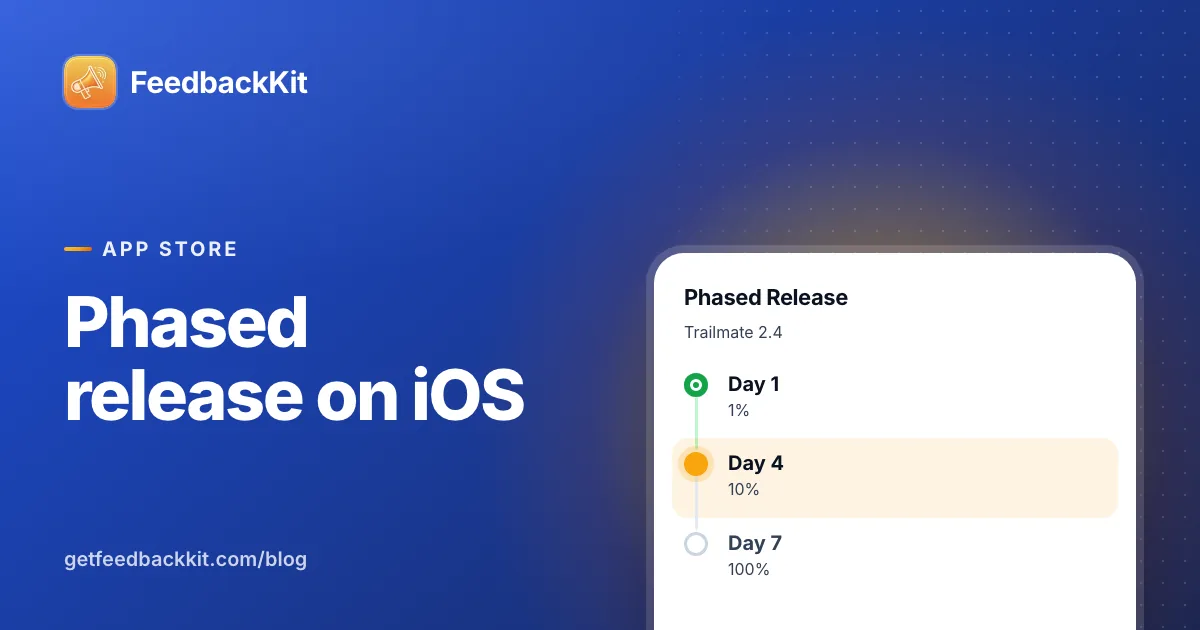
Phased Release on iOS: How the 7-Day Rollout Works
Phased release spreads an iOS update over seven days to people with auto-updates on. Here is the schedule as of 9 April 2026, how pausing works, and when to tell the people who asked that their feature is out.
-
How to Create an App Store Connect API Key and Keep It Safe
The App Store Connect API key is what lets CI upload builds and scripts manage your apps. How to create one as of 2 April 2026, which kind to choose, how to sign the token, and where the private key should and shouldn't live.
-
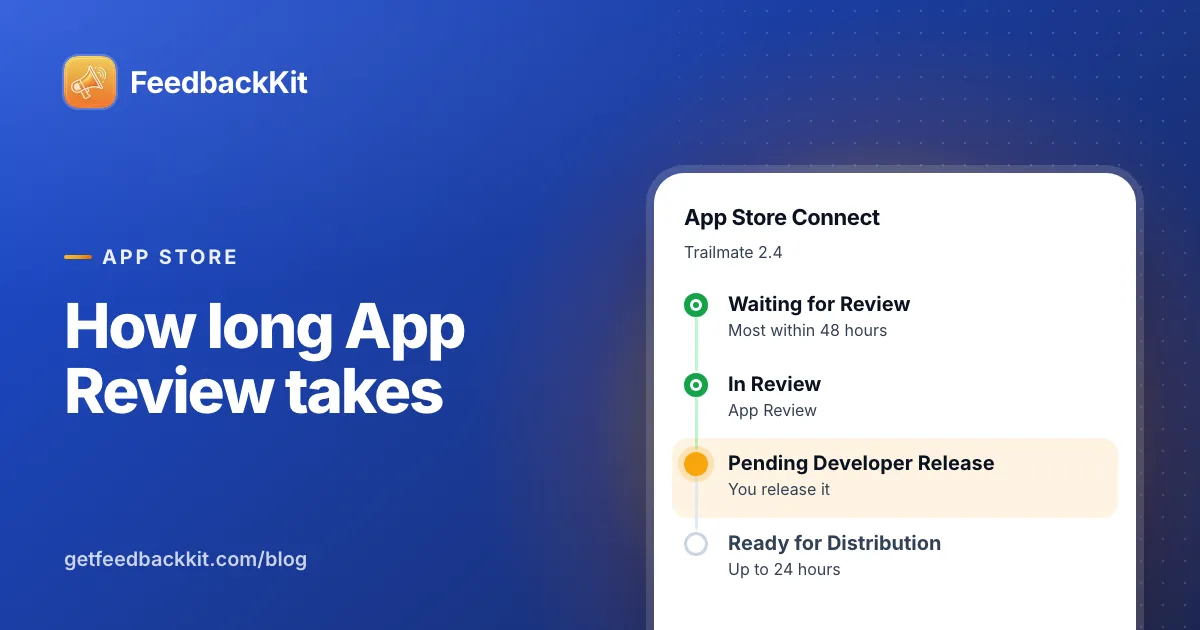
How Long Does App Store Review Take? Statuses and Expedites
Apple says most submissions are reviewed within 48 hours. Here is what that means as of 26 March 2026, what each status means while you wait, and when an expedited review is the right call.
-
App Store Review Guidelines: A Practical Guide for Small Teams
A plain-English map of Apple's App Review Guidelines as of 19 March 2026: how they are organised, the sections that cause most rejections for small teams, and what the user-generated content rule means for an in-app feedback board.
-
From the Driver's Seat to FeedbackKit: Why I Built It
I went from driving a truck to managing business software, taught myself Swift, and built FeedbackKit in four weeks of work because the tool we used did not fit my team.
-
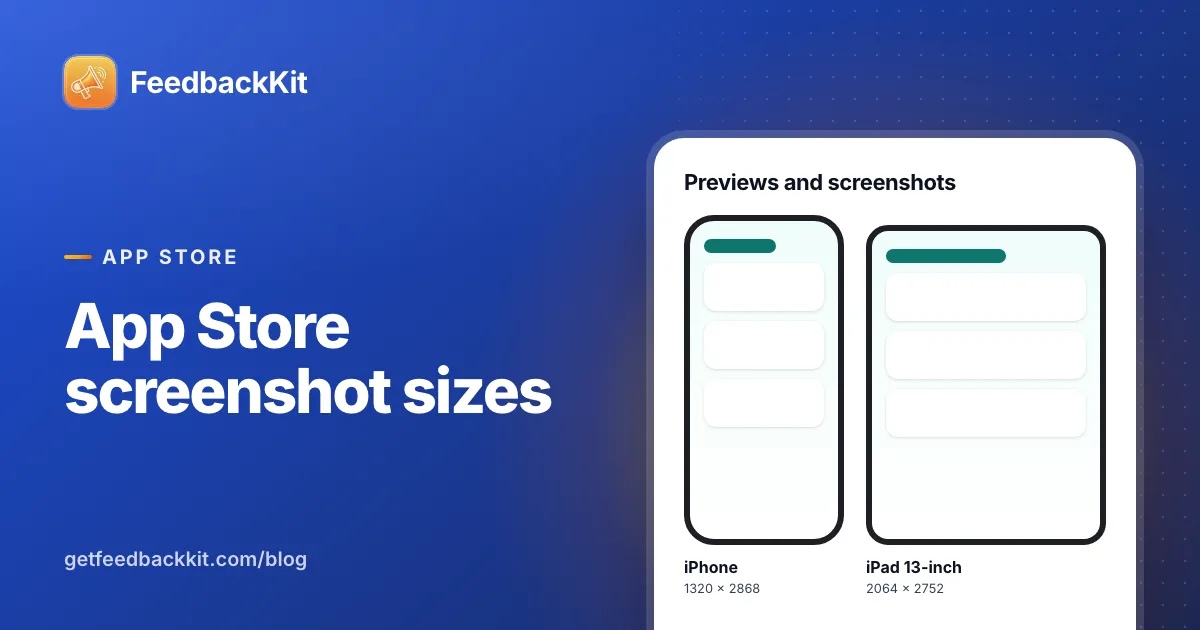
App Store Screenshot Sizes for iPhone, iPad and Mac
Apple lists dozens of screenshot sizes, but most apps need two or three sets. Here are the sizes that matter as of 12 March 2026, how App Store Connect scales the rest, and the review rules that apply.
-
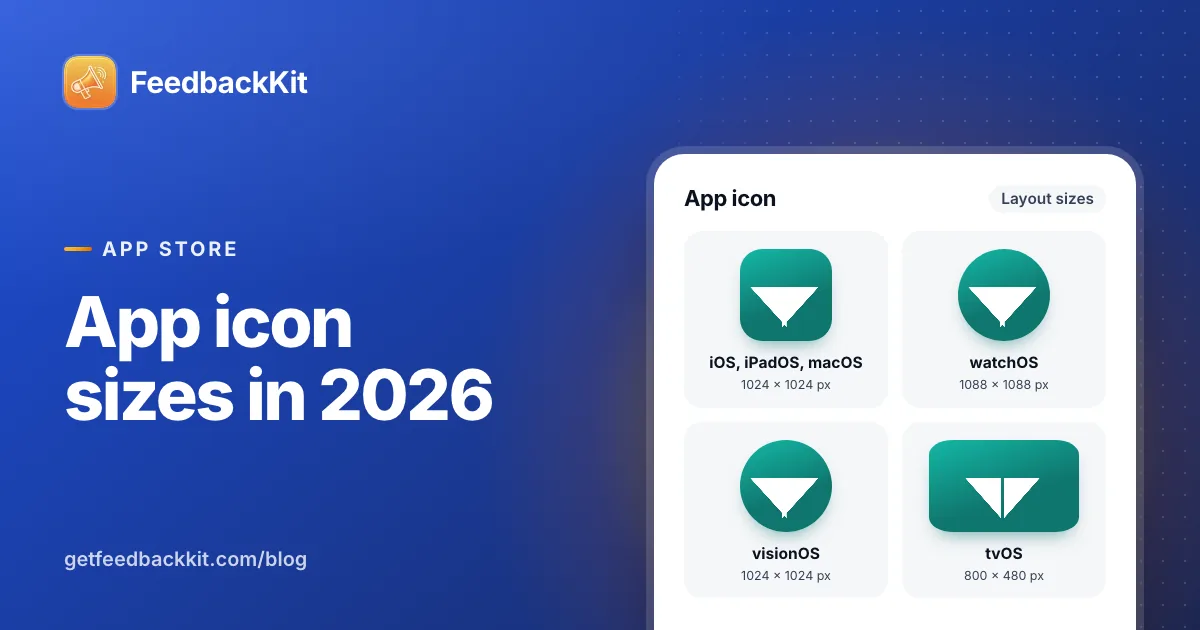
App Icon Sizes in 2026: Layouts, Layers and Icon Composer
One 1024 by 1024 pixel layout now covers iPhone, iPad and Mac. Here are Apple's current icon specifications per platform, how layered icons and Icon Composer work, and what to check before you submit.
-
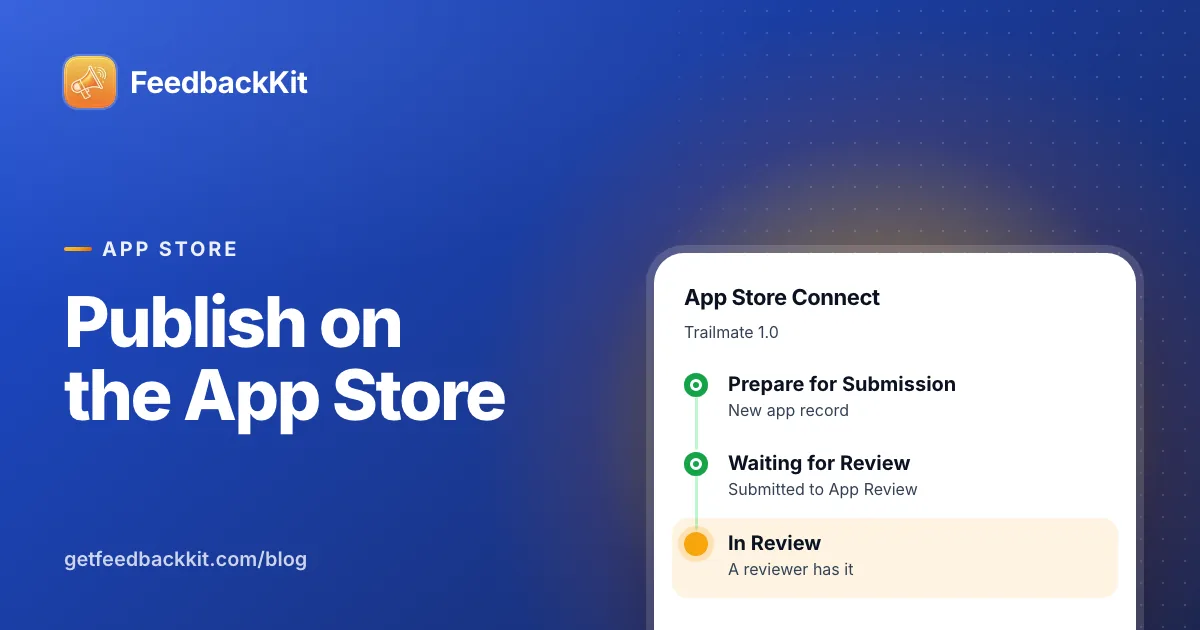
How to Publish an App on the App Store: Step by Step
Membership, agreements, the app record, the build, the product page, the privacy label, the age rating and App Review, in the order you will meet them.
-
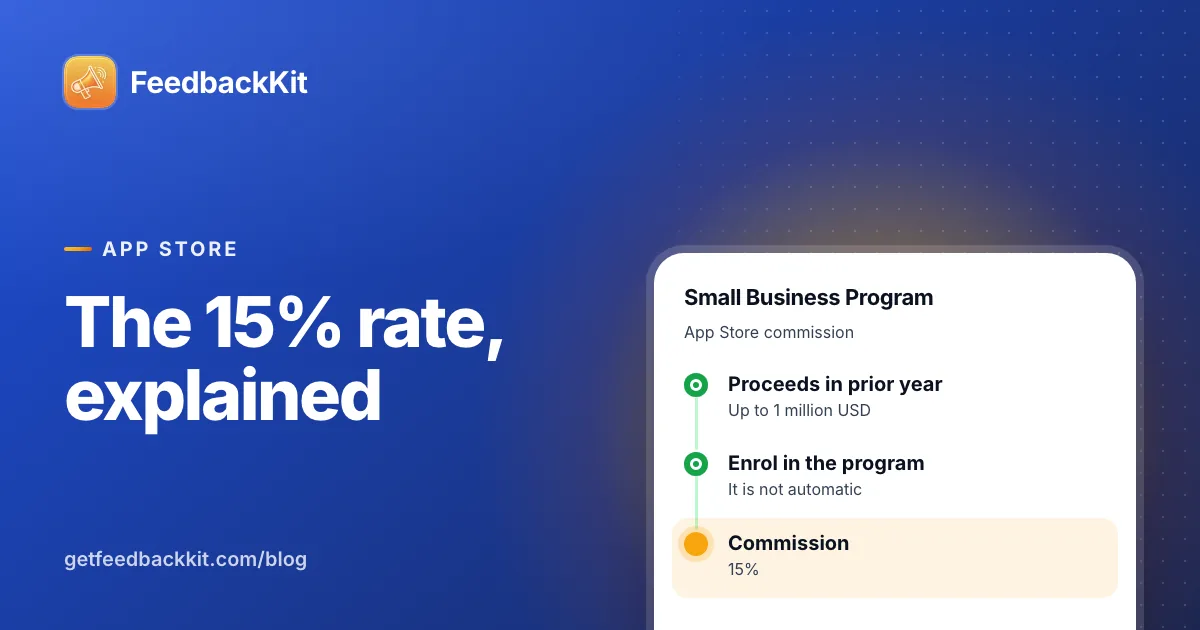
App Store Small Business Program: The 15% Rate Explained
The Small Business Program cuts Apple's commission to 15% for developers under 1 million USD in proceeds. How eligibility works, how to enrol, and what it changes for a subscription app.
-
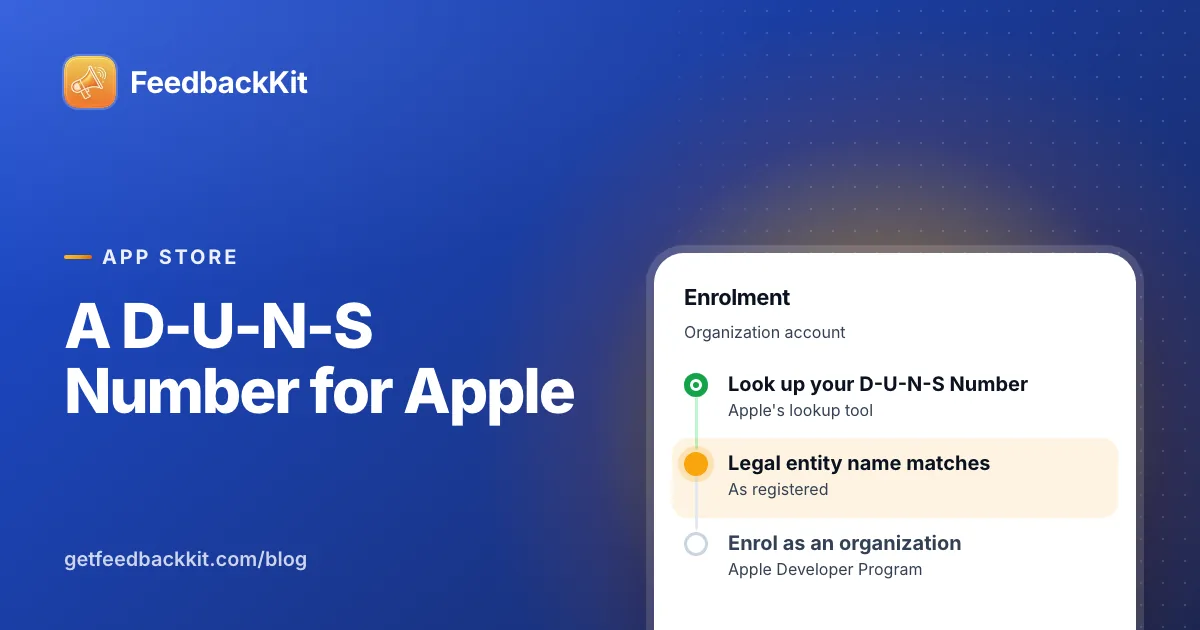
D-U-N-S Number for Apple Developer: How to Get One
Organisations need a D-U-N-S Number to join the Apple Developer Program. How to check whether you already have one, how long a new one takes, and what to do when enrolment rejects it.
-
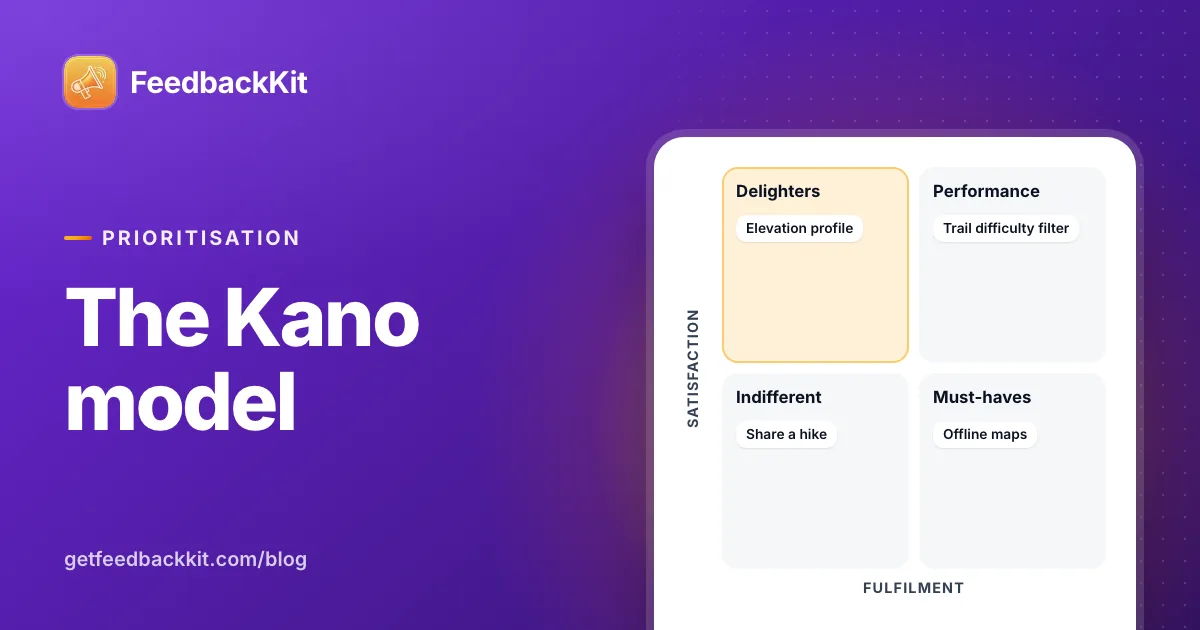
The Kano Model for App Teams: Must-Haves, Delighters and Votes
Votes tell you what users want. The Kano model tells you what kind of want it is. Here is the survey, a worked example, and how to read both signals together.
-
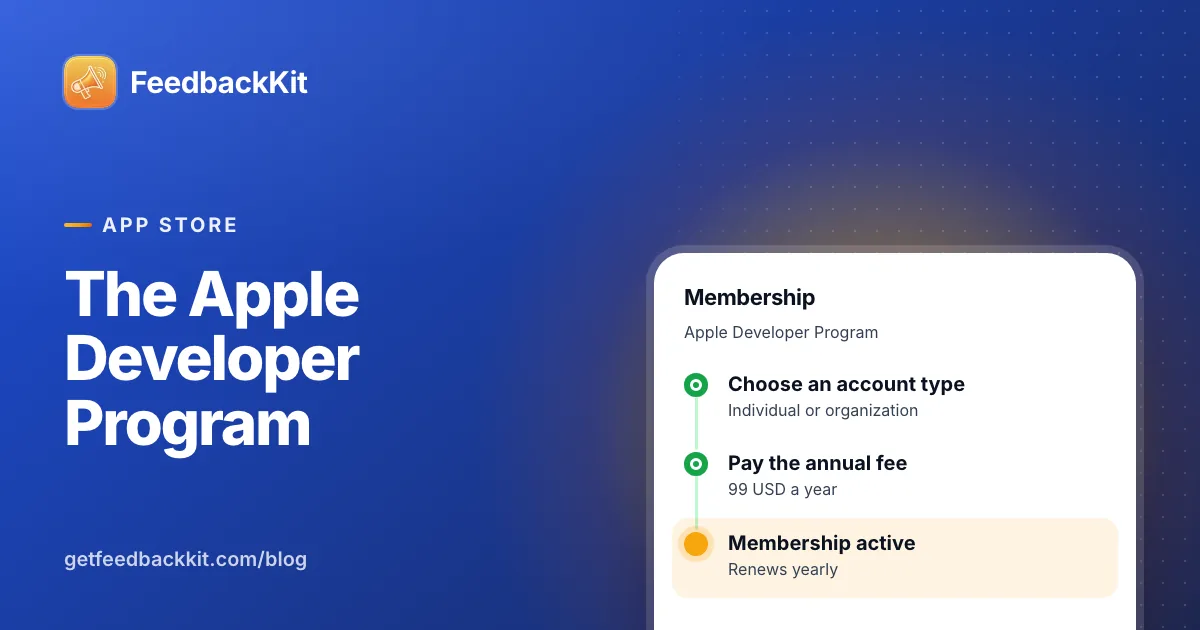
Apple Developer Program: Fee, Enrolment and Account Types
The annual fee, what a free Apple Account already covers, how to choose between enrolling as an individual or an organisation, and who qualifies for a fee waiver.
-
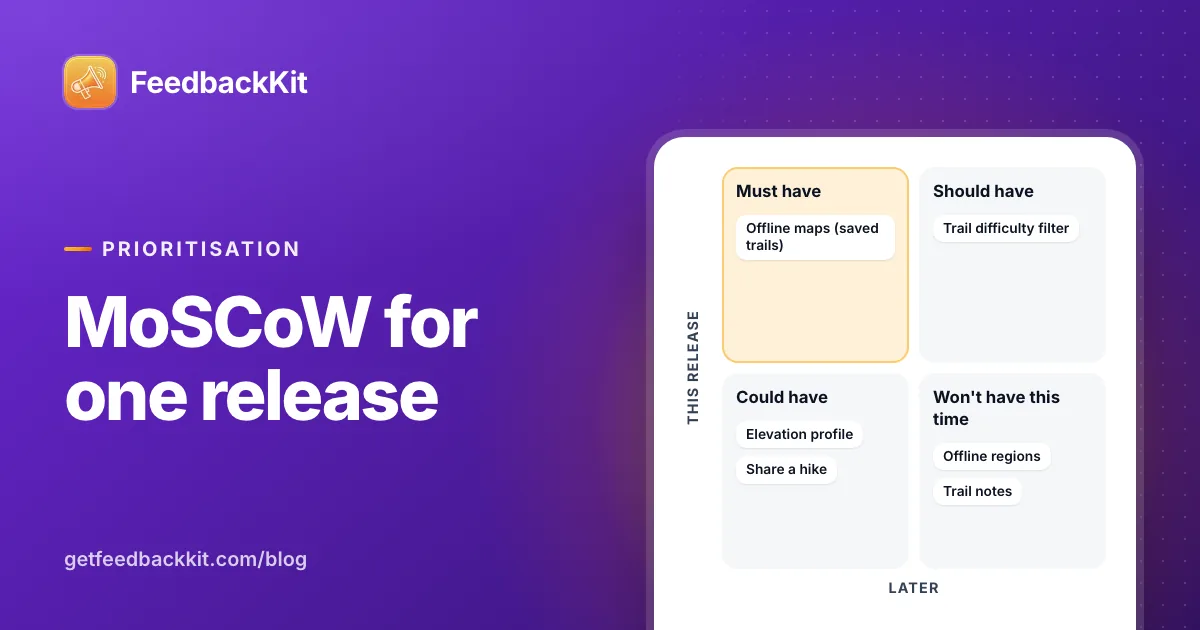
MoSCoW Prioritisation for an App Release, Step by Step
MoSCoW decides what goes into a release with a fixed date. Here is a worked example, the 60% rule that keeps it honest, and why Won't have this time is not the same as no.
-
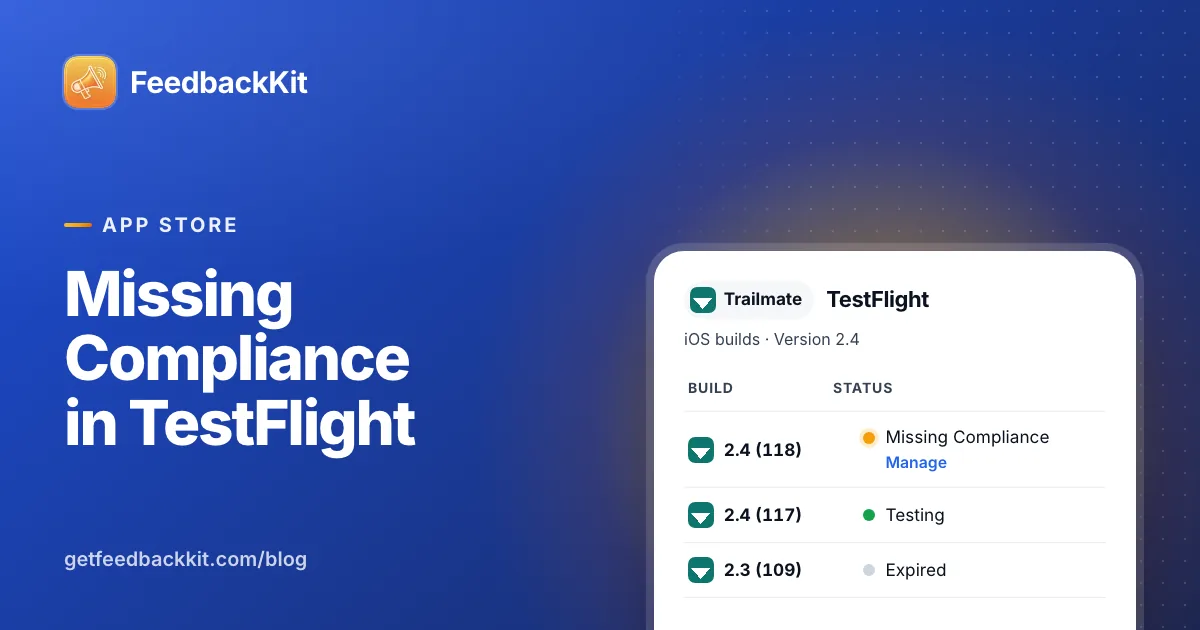
TestFlight Missing Compliance: What It Means and How to Fix It
A build stuck on Missing Compliance is waiting for your export compliance answers. Here is how to clear it today, and how one Info.plist key stops it coming back.
-
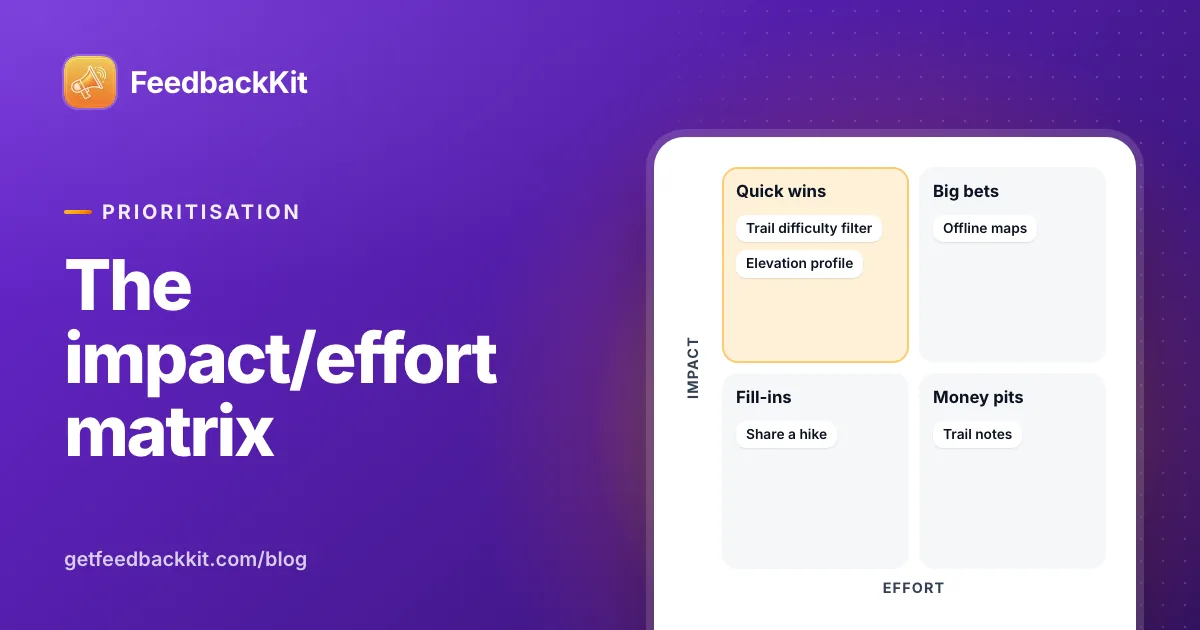
The Impact/Effort Matrix, Built from Votes and Revenue
The impact/effort matrix is the fastest way to sort a short list. The hard part is the impact axis. Here is how to build it from votes and revenue instead of opinion.
-
TestFlight Feedback: Where It Lands and How to Act on It
Screenshot reports, crash comments and email: how TestFlight feedback reaches you, how to filter and export it, and a routine for turning it into fixes and replies.
-
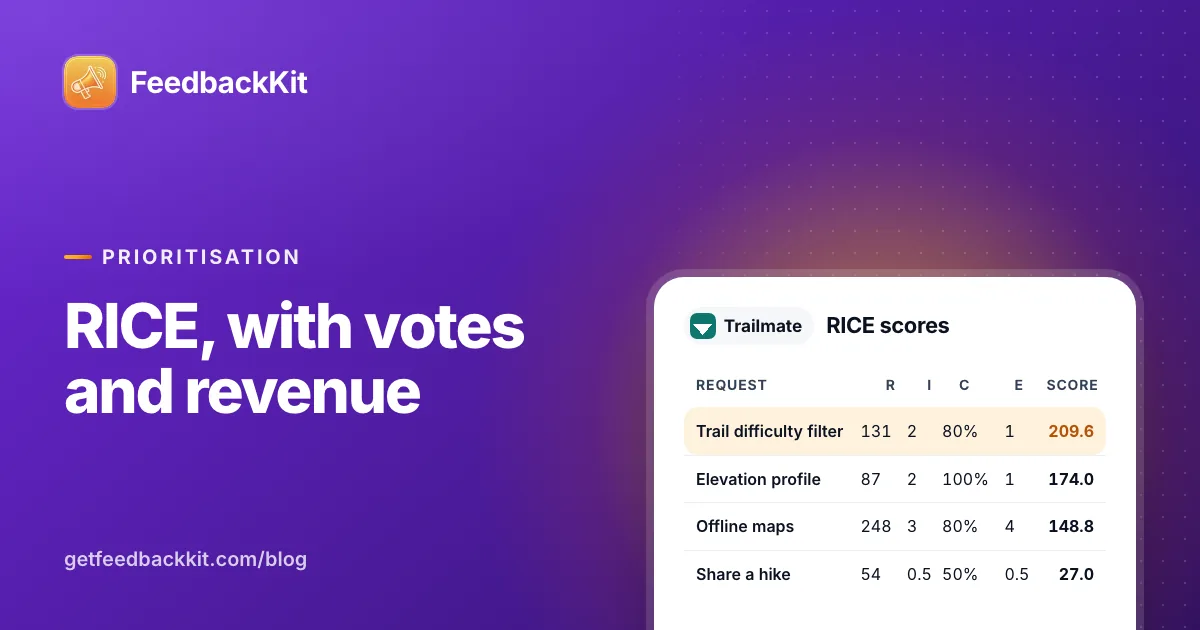
RICE Prioritisation with Votes and Revenue: A Worked Example
RICE turns a backlog into a ranked list. Here is how to fill in reach from votes, use revenue per voter to set impact, and read the result without fooling yourself.
-
TestFlight Beta Testing: A Practical Guide for Small iOS Teams
Internal versus external testers, Beta App Review, public links and the 90-day build limit, plus the habits that turn a TestFlight beta into answers you can act on.
-
Feature Prioritisation Frameworks for App Teams
Seven prioritisation frameworks, what each is good for, and a worked example of each on the same sample backlog, ranked by votes and by the revenue behind them.